
Behavioral Finance
May 17, 2026
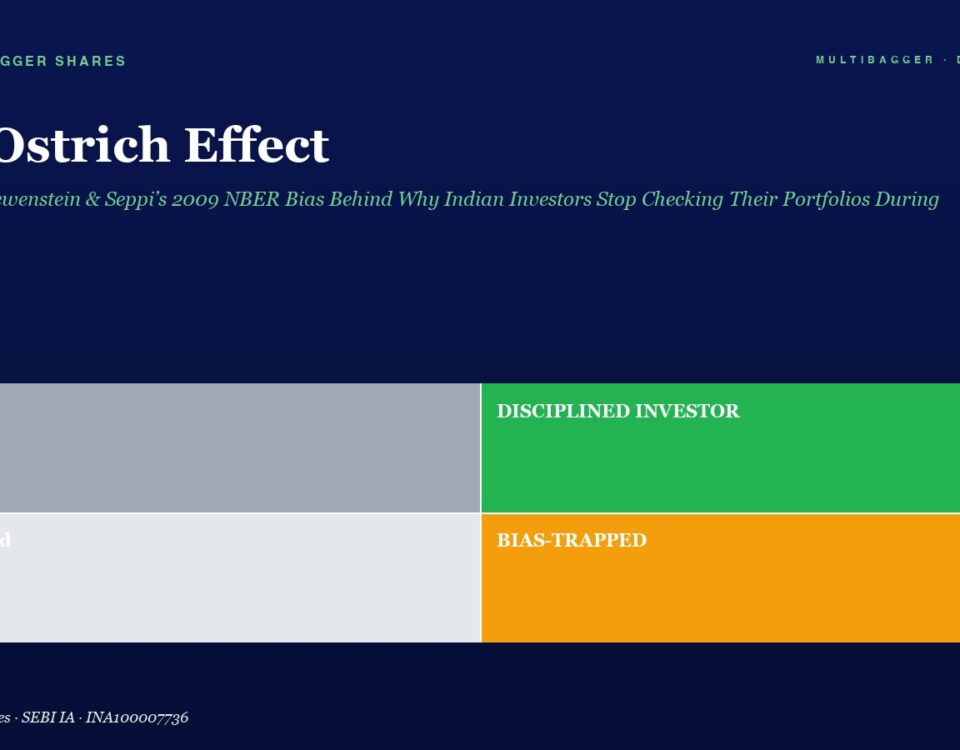
The Ostrich Effect — documented by Karlsson, Loewenstein & Seppi in 2009 — explains why Indian investors stop checking portfolios during market corrections. Brokerage logins fall 9.5% on down-1% days. We walk through the academic foundation, Indian SIP-discontinuation and demat-dormancy data, a seven-step counter-measure checklist, and Titan Biotech's FY25 disclosure architecture as an illustrative anti-ostrich case study.
May 17, 2026
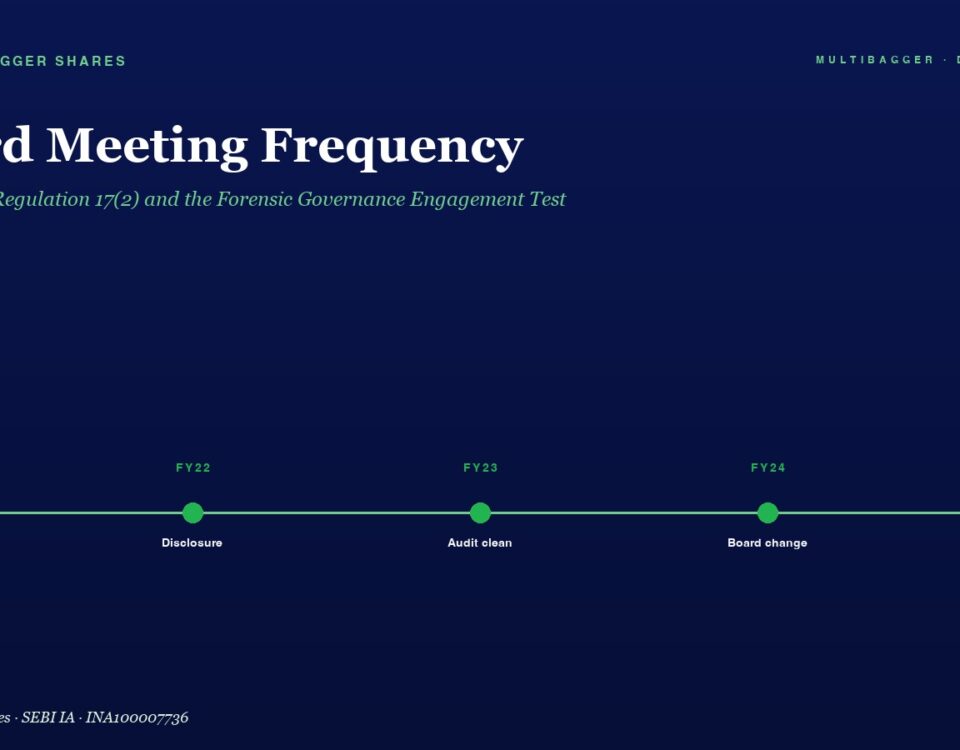
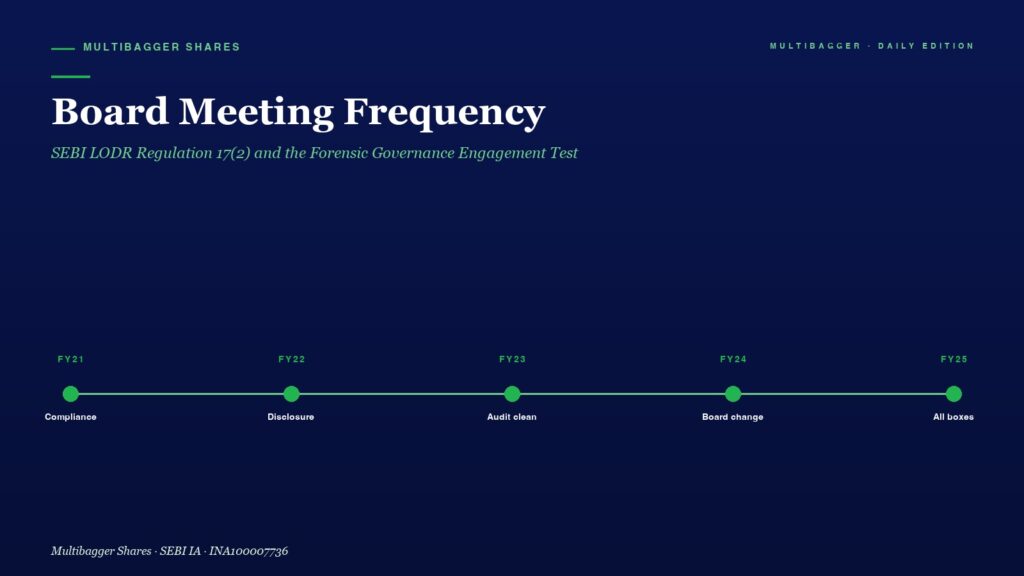
Board meeting frequency is the cheapest forensic governance signal hidden in every Indian annual report. SEBI LODR Reg 17(2) sets the floor at 4, best-practice boards meet 8-12 times, and Titan Biotech FY25 illustrates the disciplined end with 14 meetings sitting alongside a fortress balance sheet.
May 16, 2026
Myopic Loss Aversion — Benartzi & Thaler's 1995 Nobel-grade explanation of the equity premium puzzle, applied to Indian retail investors, with Titan Biotech FY25 audited numbers as an anti-MLA corporate-cadence case study.
May 16, 2026
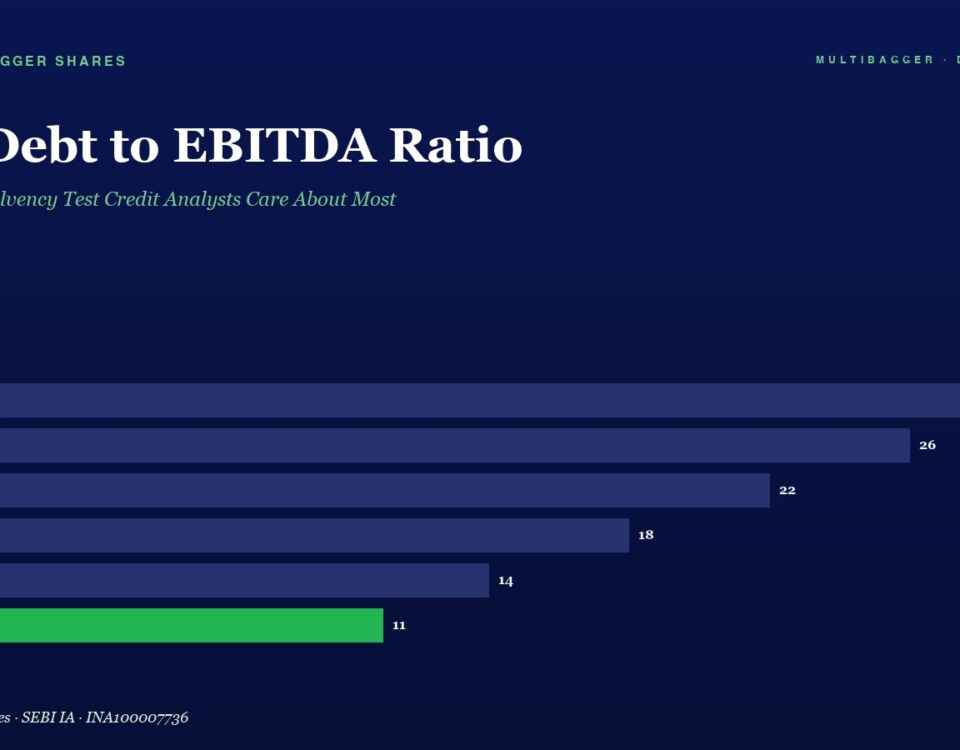
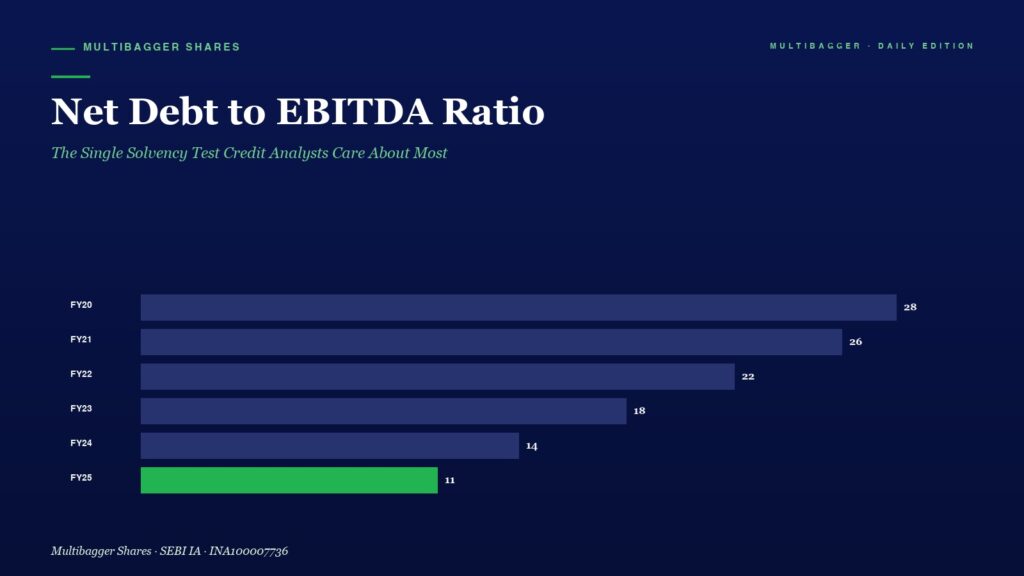
Net Debt to EBITDA is the single ratio professional credit analysts use most when assessing survival odds. This educational deep-dive teaches how to read it, where retail investors misinterpret it, and how Titan Biotech (BSE: 524717) FY25 audited numbers illustrate a -0.75x net-cash fortress reading. Not a buy/sell recommendation.